Korean Bibimbap
Uitgelicht onder: Internationale Keuken
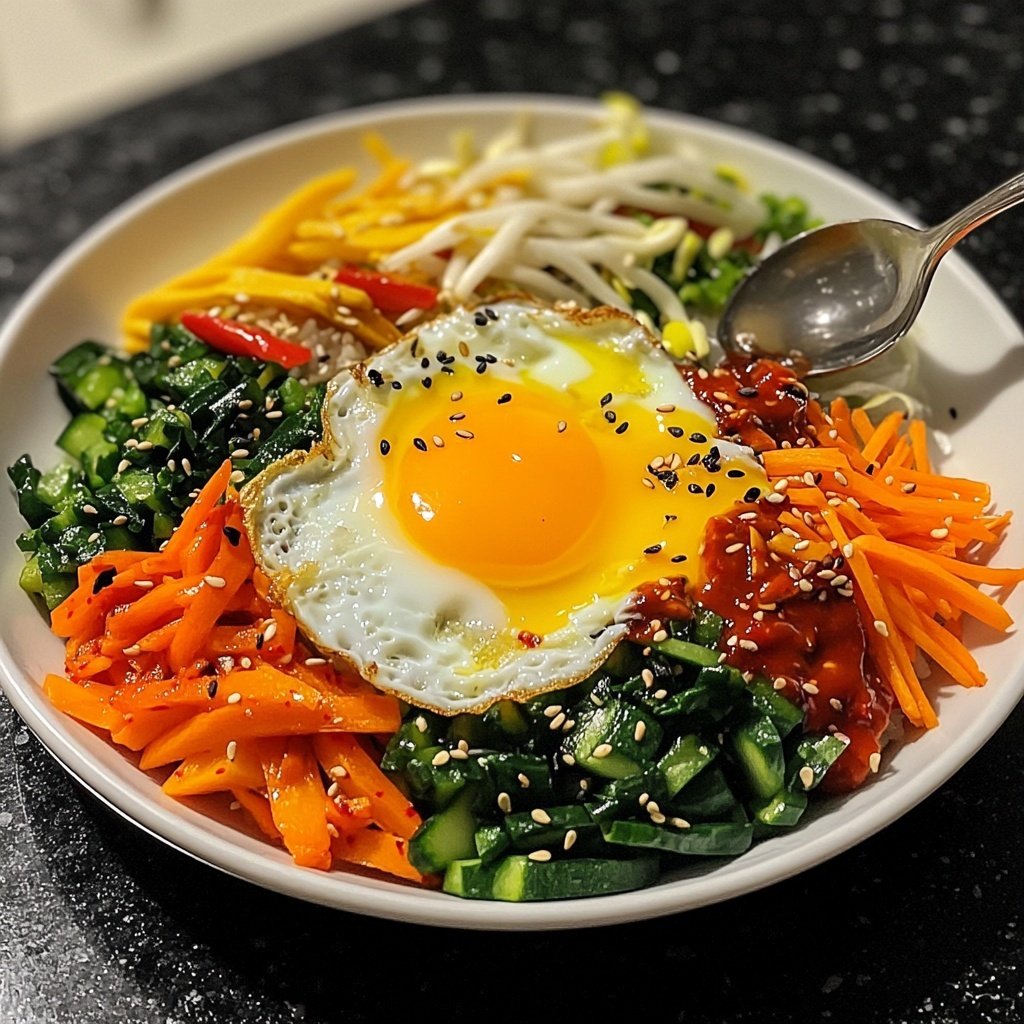
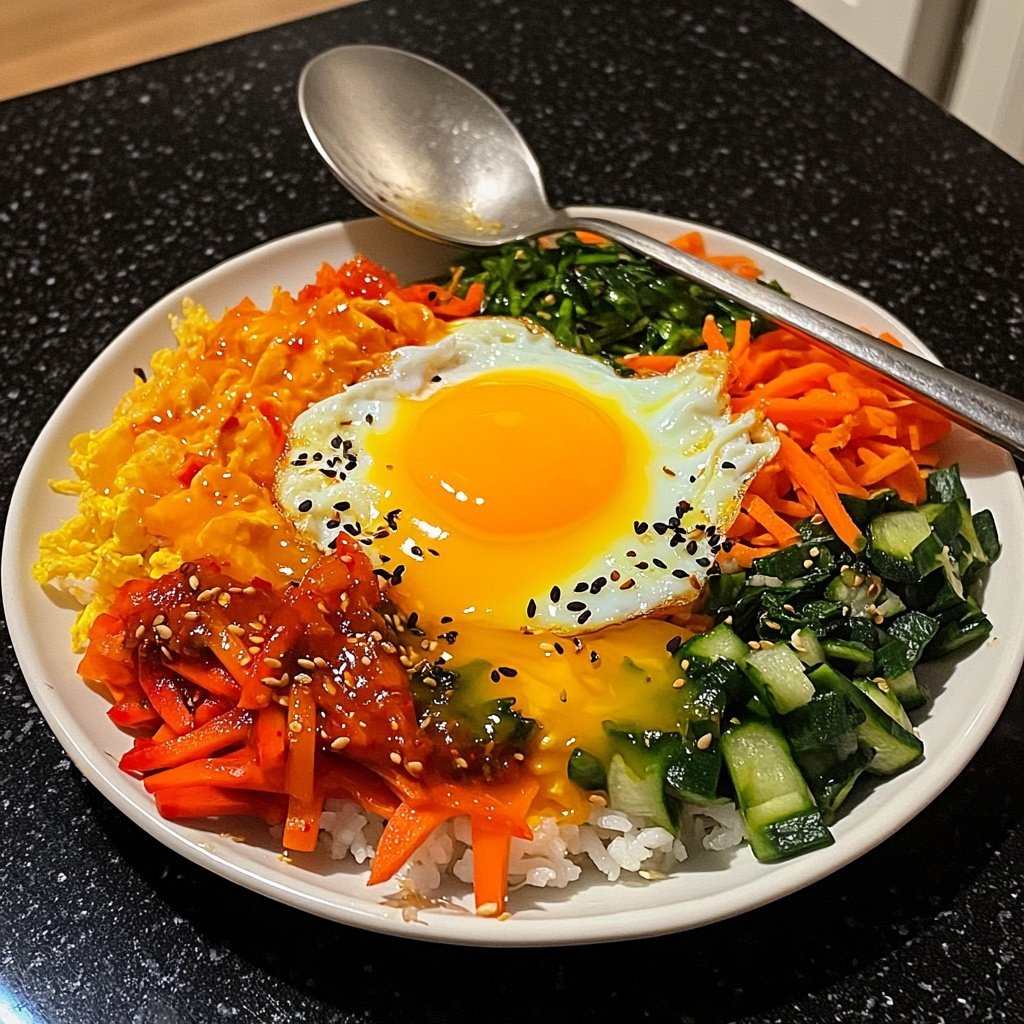
Experience the vibrant flavors and textures of Korea with this traditional Bibimbap recipe, featuring a colorful array of vegetables, marinated beef, and a perfectly fried egg atop a bed of rice.
Korean Bibimbap is a beloved dish that brings together a harmony of flavors and colors. Each ingredient is carefully selected to provide a unique taste and texture, making it a delightful meal for any occasion.
Why You'll Love This Recipe
- A vibrant mix of fresh vegetables and savory beef
- Customizable with your favorite toppings and sauces
- A satisfying one-bowl meal that's perfect for sharing
The Essence of Bibimbap
Bibimbap is a quintessential Korean dish that beautifully combines a variety of flavors, textures, and colors all in one bowl. The name itself translates to 'mixed rice,' which perfectly captures the essence of this meal. Traditionally served with a colorful assortment of sautéed vegetables, marinated beef, and a fried egg, Bibimbap is as visually appealing as it is delicious. Each ingredient is thoughtfully selected to contribute to a harmonious blend of taste, making it a delightful option for both everyday meals and special occasions.
The base of Bibimbap is short-grain rice, known for its sticky texture, which allows it to hold together well when mixed with the other ingredients. This rice forms the perfect canvas for the vibrant toppings, allowing each bite to be a medley of flavors. The combination of fresh vegetables like spinach, zucchini, and carrots not only adds nutritional value but also provides a refreshing crunch that contrasts beautifully with the savory beef and rich egg.
Customization and Variations
One of the best things about Bibimbap is its versatility. You can easily customize this dish to suit your taste preferences or dietary restrictions. Feel free to swap the beef for grilled chicken, tofu, or even mushrooms for a vegetarian option. Additionally, you can experiment with different vegetables based on what’s in season or what you have on hand, such as bell peppers, radishes, or even kimchi for an extra kick of flavor.
The toppings and sauces are also open to interpretation. While gochujang is the traditional condiment used in Bibimbap, you can add other sauces like soy sauce or sesame dressing for different flavor profiles. Don't hesitate to get creative and make this dish your own; the heart of Bibimbap lies in its ability to adapt and satisfy a wide range of tastes.
A Perfect Meal for Sharing
Bibimbap is not only a delicious meal but also an excellent dish for sharing. The communal aspect of mixing all the ingredients together enhances the dining experience, making it a fun and interactive meal for family and friends. You can prepare all the components in advance and let everyone assemble their own bowls, choosing their favorite toppings and controlling the spice level with gochujang. This makes it an ideal choice for gatherings, potlucks, or casual dinners.
Moreover, serving Bibimbap in separate bowls allows each person to appreciate the beauty of the ingredients before mixing them together. The vibrant colors of the vegetables combined with the rich hues of the beef and eggs create a visually stunning presentation that is sure to impress your guests. As everyone mingles and enjoys their personalized bowls, it fosters a warm and inviting atmosphere that enhances the joy of sharing a meal.
Ingrediënten
Gather all your ingredients before you start cooking for a smooth preparation process.
Ingredients for Bibimbap
- 2 cups cooked short-grain rice
- 1 cup spinach, blanched
- 1 cup bean sprouts, blanched
- 1 cup zucchini, julienned
- 1 cup carrots, julienned
- 200g beef, thinly sliced (ribeye or sirloin)
- 2 eggs
- 2 tablespoons gochujang (Korean chili paste)
- 1 tablespoon sesame oil
- 2 tablespoons soy sauce
- 1 tablespoon vegetable oil
- Sesame seeds for garnish
- Green onions, chopped for garnish
Feel free to add or substitute any vegetables based on your preference!
Bereidingswijze
Follow these steps carefully to create a delicious and authentic Bibimbap.
Prepare the Beef
In a bowl, marinate the sliced beef with soy sauce, sesame oil, and a pinch of sugar for about 10 minutes.
Cook the Vegetables
In a skillet, heat vegetable oil over medium heat. Sauté the zucchini and carrots separately until tender. Set aside.
Cook the Beef
In the same skillet, cook the marinated beef until browned and cooked through. Remove from heat.
Fry the Eggs
In a non-stick pan, fry the eggs sunny-side up in a little oil until the whites are set but the yolks are still runny.
Assemble the Bibimbap
In a bowl, place a serving of rice at the bottom. Arrange the cooked vegetables, beef, and fried egg on top. Drizzle with gochujang and sprinkle with sesame seeds and green onions.
Serve and Enjoy
Mix everything together before eating to enjoy the full flavor of Bibimbap!
Enjoy your delicious homemade Bibimbap!
Professionele Tips
- Feel free to customize your Bibimbap with other proteins like chicken, tofu, or even add some kimchi for an extra kick.
Nutritional Benefits of Bibimbap
Bibimbap is a nutritious option that provides a well-rounded meal in a single bowl. With a variety of fresh vegetables, this dish is packed with vitamins, minerals, and fiber, promoting overall health and well-being. The addition of protein from the beef or alternative protein sources contributes to muscle health and satiety, making it a fulfilling meal. Moreover, the healthy fats from sesame oil and the egg yolk provide essential fatty acids that are important for brain function.
The combination of rice and vegetables also offers a good balance of carbohydrates and nutrients, giving you sustained energy throughout the day. By incorporating a mix of colorful vegetables, you ensure that you're getting a range of antioxidants that can help fight inflammation and support your immune system. Overall, Bibimbap is not just a delicious meal; it's a wholesome choice that nourishes both the body and the soul.
Tips for Perfecting Your Bibimbap
To achieve the perfect Bibimbap, it’s essential to use high-quality ingredients. Opt for fresh, seasonal vegetables for the best flavor and texture. When cooking the beef, ensure that you don’t overcrowd the pan; this will allow it to sear properly and develop a nice crust. Marinating the beef for at least 10 minutes enhances its flavor, so don’t skip this step. Additionally, the eggs should be cooked sunny-side up to maintain a runny yolk, which adds richness to the dish when mixed in.
Another tip is to serve your Bibimbap in a hot bowl to keep the rice warm and toasty. This not only enhances the overall experience but also allows the flavors to meld together beautifully. Finally, encourage everyone to mix their Bibimbap thoroughly before eating. This ensures that each bite is a perfect blend of the various ingredients, delivering the full experience of this beloved Korean dish.
Vragen Over Recepten
→ Can I make Bibimbap vegetarian?
Absolutely! Simply replace the beef with tofu or additional vegetables of your choice.
→ What type of rice is best for Bibimbap?
Short-grain rice is traditional for Bibimbap, as it has a sticky texture that holds the ingredients together.
→ How can I adjust the spice level?
You can adjust the amount of gochujang to your liking or omit it completely for a milder dish.
→ Can I prepare the ingredients in advance?
Yes, you can prepare the vegetables and marinate the beef a day in advance to save time.
Korean Bibimbap
Gemaakt door: Dahlia Kensington
Recepttype: Internationale Keuken
Vaardigheidsniveau: Intermediate
Eindportie: 4 servings
Wat je Nodig Hebt
Ingredients for Bibimbap
- 2 cups cooked short-grain rice
- 1 cup spinach, blanched
- 1 cup bean sprouts, blanched
- 1 cup zucchini, julienned
- 1 cup carrots, julienned
- 200g beef, thinly sliced (ribeye or sirloin)
- 2 eggs
- 2 tablespoons gochujang (Korean chili paste)
- 1 tablespoon sesame oil
- 2 tablespoons soy sauce
- 1 tablespoon vegetable oil
- Sesame seeds for garnish
- Green onions, chopped for garnish
Stappen
In a bowl, marinate the sliced beef with soy sauce, sesame oil, and a pinch of sugar for about 10 minutes.
In a skillet, heat vegetable oil over medium heat. Sauté the zucchini and carrots separately until tender. Set aside.
In the same skillet, cook the marinated beef until browned and cooked through. Remove from heat.
In a non-stick pan, fry the eggs sunny-side up in a little oil until the whites are set but the yolks are still runny.
In a bowl, place a serving of rice at the bottom. Arrange the cooked vegetables, beef, and fried egg on top. Drizzle with gochujang and sprinkle with sesame seeds and green onions.
Mix everything together before eating to enjoy the full flavor of Bibimbap!
Extra Tips
- Feel free to customize your Bibimbap with other proteins like chicken, tofu, or even add some kimchi for an extra kick.
Voedingswaarde (Per Portie)
- Calories: 600 kcal
- Total Fat: 22g
- Saturated Fat: 6g
- Cholesterol: 210mg
- Sodium: 800mg
- Total Carbohydrates: 85g
- Dietary Fiber: 6g
- Sugars: 5g
- Protein: 25g