Soft Oven Baked Bagels
Uitgelicht onder: Eenvoudige Recepten
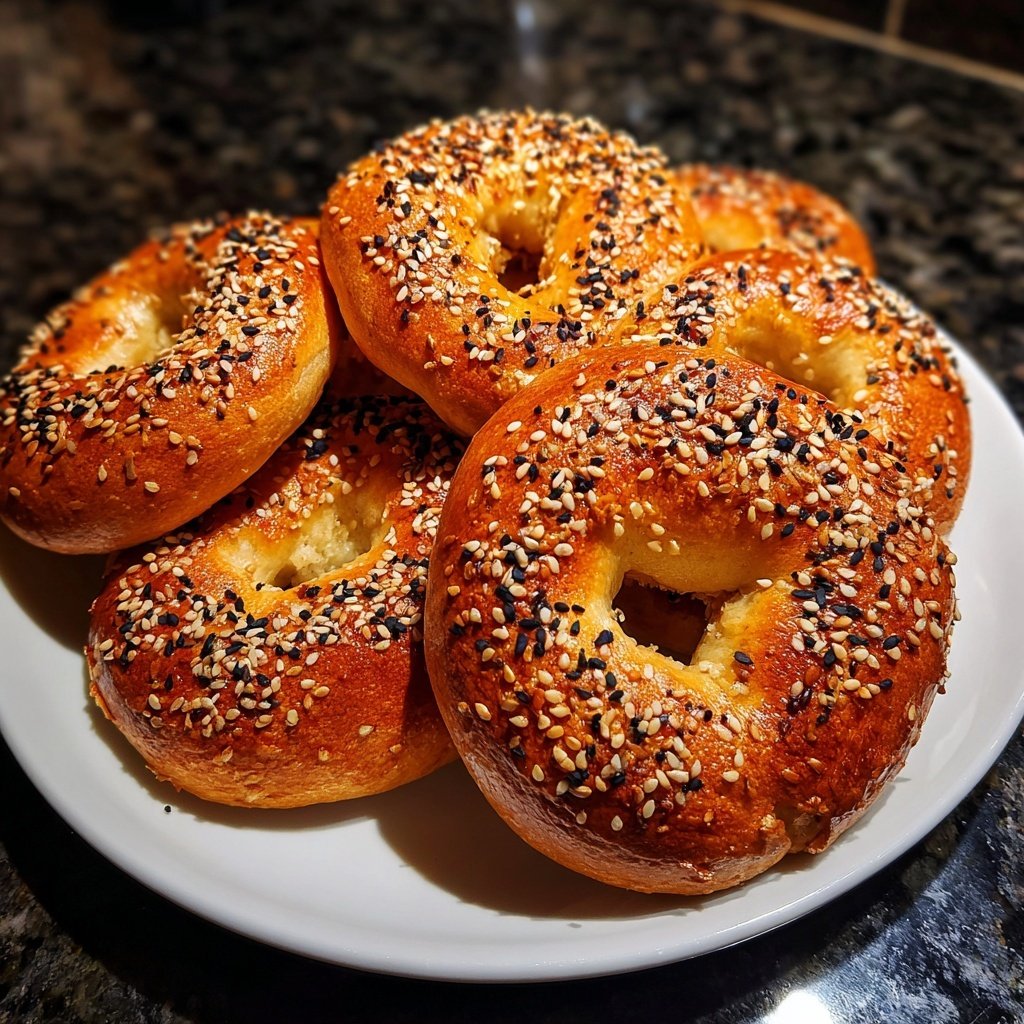
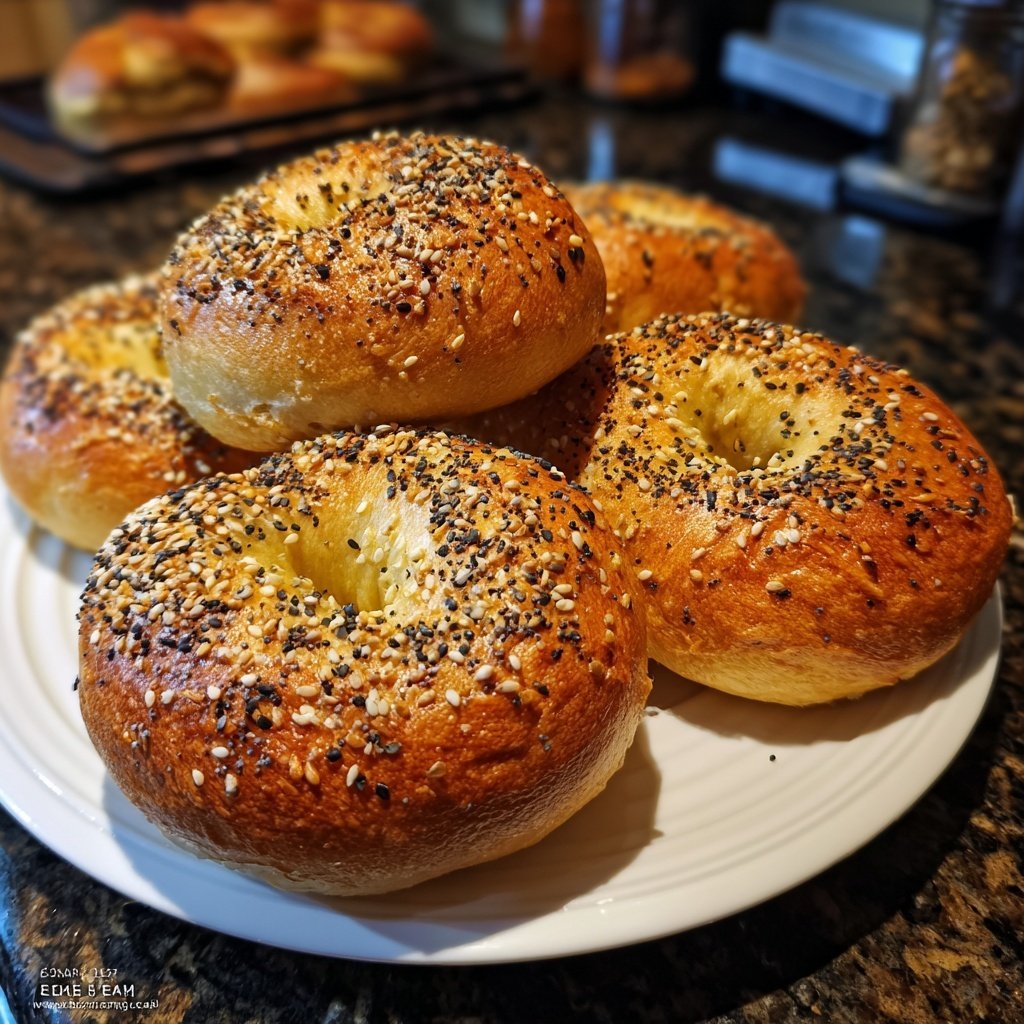
I absolutely love making Soft Oven Baked Bagels at home. The aroma of fresh dough rising in the kitchen is simply irresistible! When the bagels come out of the oven, they’re golden brown with a chewy exterior and a soft, fluffy interior. They’re delightful toasted and slathered with cream cheese or served alongside a hearty soup. Making bagels from scratch might seem daunting, but I assure you, it’s a fun process that yields delicious results every time. Try them warm for a breakfast that will brighten your day!
Making bagels from scratch taught me the importance of texture. I used a technique of boiling the bagels before baking, which creates that classic chewy crust that we all crave. The key is to keep the water at a gentle simmer, allowing the bagels to float and cook uniformly. It was fascinating to see them puff up during this step.
What I really enjoyed was experimenting with toppings. I’ve added everything from sesame seeds to everything bagel seasoning, and each variation has its own charm. My tip is to be generous with the toppings; they contribute so much flavor to the finished bagel!
Why You'll Love This Recipe
- The irresistible aroma while they bake fills the kitchen with warmth.
- Each bagel has a delightful chewy texture that’s far superior to store-bought.
- Perfect for customizing with your favorite toppings or spreads!
The Importance of Hydration
Hydration is crucial when making bagel dough, as it contributes to the final texture. Using warm water around 110°F helps activate the yeast effectively, giving your bagels the perfect rise and a light, airy texture. If the water is too hot, it can kill the yeast, leading to dense bagels. For best results, rely on a kitchen thermometer to ensure accuracy in temperature; this small step can significantly affect your dough’s performance.
Furthermore, consider the flour type you use. All-purpose flour works well, but bread flour, with its higher protein content, can yield a chewier bagel. If you do swap in bread flour, increase the water slightly since it absorbs moisture more than all-purpose flour. This will help maintain the right dough consistency, ensuring your bagels achieve that coveted chewy texture.
Boiling Process
The boiling step is essential in bagel-making, as it helps create that signature chewy crust. Make sure to bring your pot of water to a rolling boil before adding the bagels. Boiling each bagel for about one minute on each side not only firms up the exterior but also sets the shape. If you prefer an even chewier bagel, you can extend the boiling time by 30 seconds per side, ensuring a robust texture that won’t become mushy after baking.
After boiling, allow the bagels to drain on a wire rack for a moment before transferring them to the baking sheet. This will prevent excess water from steaming in the oven, which can inhibit their ability to brown properly. A good tip is to sprinkle your toppings right after boiling while the surface is still wet; this helps them adhere better and enhances their flavor once baked.
Storing and Serving Suggestions
Once your bagels are baked and cooled, storing them correctly can help maintain their freshness. For short-term storage, keep them in a paper bag at room temperature, where they can stay good for 1-2 days. For longer storage, you can freeze them. Simply place cooled bagels in a freezer bag, squeezing out as much air as possible. They can be frozen for up to three months and toasted directly from the freezer—no need to thaw!
For serving, these homemade bagels are versatile. Try them with a classic cream cheese spread, but don’t hesitate to get creative with toppings. Consider avocado and poached eggs for a brunch treat or transform them into a savory sandwich base with smoked salmon. You can also experiment with different toppings before baking, such as cheese or herbs, giving you endless options beyond the traditional bagel experience.
Ingrediënten
Ingredients for Soft Oven Baked Bagels
Bagel Dough
- 4 cups all-purpose flour
- 1 tablespoon sugar
- 1 teaspoon salt
- 1 packet (2 1/4 teaspoons) active dry yeast
- 1 1/2 cups warm water (around 110°F)
- 1 tablespoon olive oil
Toppings (optional)
- Sesame seeds
- Poppy seeds
- Everything bagel seasoning
- Coarse sea salt
Feel free to get creative with toppings! They add a special touch to each bagel.
Bereidingswijze
Steps to Make Soft Oven Baked Bagels
Prepare the Dough
In a large mixing bowl, combine warm water and sugar, then sprinkle the yeast on top. Let it sit for about 5 minutes until foamy. Add the olive oil, salt, and gradually mix in the flour, kneading until a smooth dough forms.
First Rise
Cover the bowl with a damp cloth and let the dough rise in a warm place for about 30 minutes or until it doubles in size.
Shape the Bagels
Punch down the dough and divide it into 8 equal pieces. Roll each piece into a ball, then poke a hole in the center to form bagels. Stretch the holes slightly to maintain their shape.
Prepare for Baking
Preheat the oven to 425°F (220°C). Bring a large pot of water to a boil, adding a pinch of salt. Boil each bagel for about 1 minute on each side, then transfer to a baking sheet lined with parchment paper.
Bake the Bagels
Sprinkle your desired toppings onto the bagels. Bake for about 20-25 minutes or until golden brown. Allow to cool on a wire rack.
Enjoy your freshly baked bagels warm or toasted!
Professionele Tips
- Make sure your water is warm, not hot, when activating the yeast. This ensures the yeast works effectively to create a fluffy bagel.
Key Tips for Success
Consistency in dough kneading is essential. Aim for a smooth dough that is elastic yet not overly sticky. If the dough sticks to your hands excessively, sprinkle in a little extra flour. However, be cautious not to add too much, as this can lead to dense bagels. A good test is that the dough should bounce back when you poke it, indicating it's well-kneaded and ready for rising.
Tracking the rising time is also crucial. If your kitchen is on the cooler side, it may take longer for the dough to double in size. Consider placing the bowl in the oven with just the light on to create a warm environment, which can help speed up fermentation, contributing to flavorful bagels.
Variations You Can Try
Feel free to experiment with flavors by incorporating ingredients into the dough. For example, try adding 1-2 tablespoons of garlic or onion powder for a savory touch. If you're in the mood for something sweet, consider adding dried fruits like cranberries or raisins. Just keep in mind that adding too many inclusions can affect the dough’s structure, so balance is key.
For color and additional flavor, consider creating a rainbow of bagels using natural dyes. For example, beet juice for pink, spinach for green, or turmeric for yellow. Simply add a tablespoon or two of the juiced or powdered ingredient to your dough. These not just enhance the appearance but also add a fun twist to your homemade bagels.
Vragen Over Recepten
→ Can I freeze the bagels?
Yes, once cooled, wrap them individually in plastic wrap and place them in a freezer bag. They can be frozen for up to 3 months.
→ What can I use instead of active dry yeast?
You can use instant yeast; just add it directly to the flour without proofing.
→ How do I make the bagels chewier?
Boiling the bagels for longer can give them a chewier texture, but be cautious not to overdo it.
→ Can I add flavors to the dough?
Absolutely! Consider adding herbs, garlic powder, or cheese to the dough for added flavor.
Soft Oven Baked Bagels
Gemaakt door: Dahlia Kensington
Recepttype: Eenvoudige Recepten
Vaardigheidsniveau: Intermediate
Eindportie: 8 bagels
Wat je Nodig Hebt
Bagel Dough
- 4 cups all-purpose flour
- 1 tablespoon sugar
- 1 teaspoon salt
- 1 packet (2 1/4 teaspoons) active dry yeast
- 1 1/2 cups warm water (around 110°F)
- 1 tablespoon olive oil
Toppings (optional)
- Sesame seeds
- Poppy seeds
- Everything bagel seasoning
- Coarse sea salt
Stappen
In a large mixing bowl, combine warm water and sugar, then sprinkle the yeast on top. Let it sit for about 5 minutes until foamy. Add the olive oil, salt, and gradually mix in the flour, kneading until a smooth dough forms.
Cover the bowl with a damp cloth and let the dough rise in a warm place for about 30 minutes or until it doubles in size.
Punch down the dough and divide it into 8 equal pieces. Roll each piece into a ball, then poke a hole in the center to form bagels. Stretch the holes slightly to maintain their shape.
Preheat the oven to 425°F (220°C). Bring a large pot of water to a boil, adding a pinch of salt. Boil each bagel for about 1 minute on each side, then transfer to a baking sheet lined with parchment paper.
Sprinkle your desired toppings onto the bagels. Bake for about 20-25 minutes or until golden brown. Allow to cool on a wire rack.
Extra Tips
- Make sure your water is warm, not hot, when activating the yeast. This ensures the yeast works effectively to create a fluffy bagel.
Voedingswaarde (Per Portie)
- Calories: 220 kcal
- Total Fat: 1g
- Saturated Fat: 0g
- Cholesterol: 0mg
- Sodium: 10mg
- Total Carbohydrates: 46g
- Dietary Fiber: 2g
- Sugars: 1g
- Protein: 8g