Flaky Butter Croissants
Uitgelicht onder: Zoete Baksels
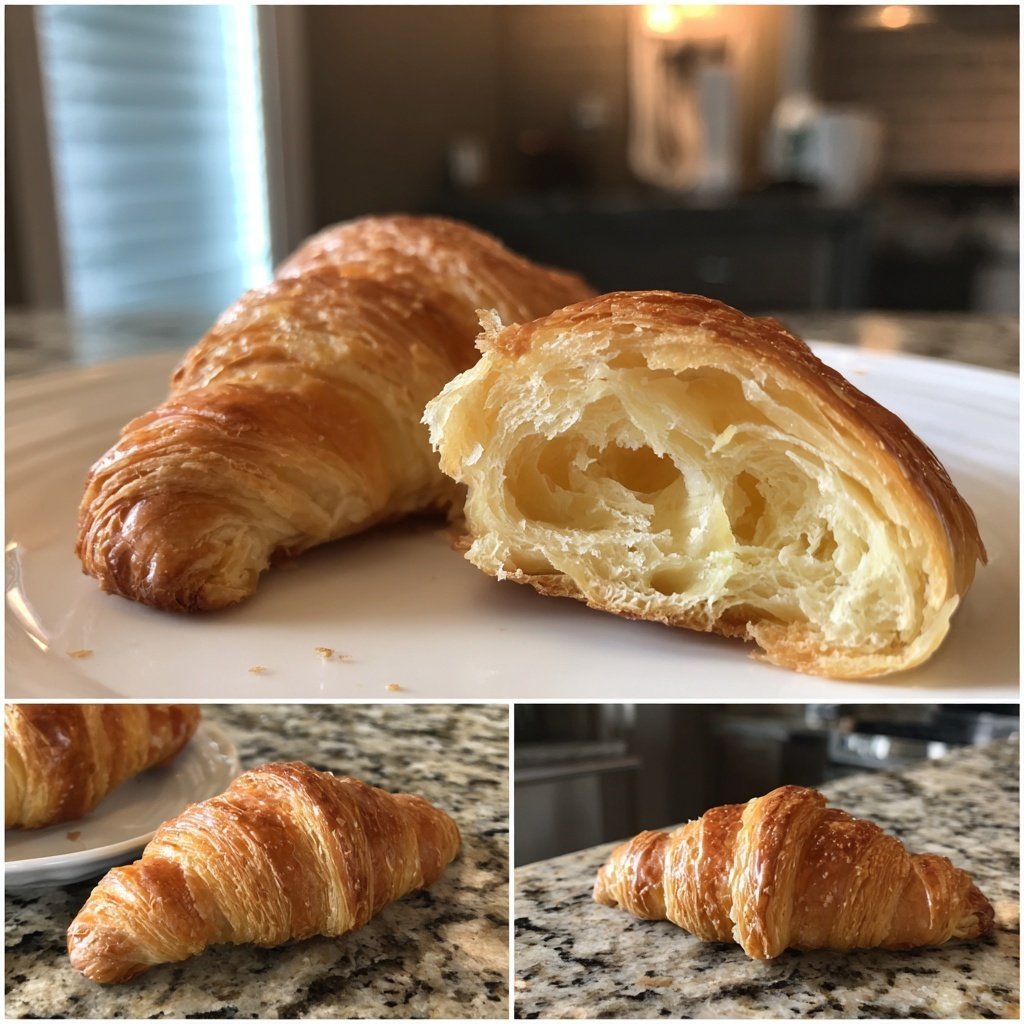
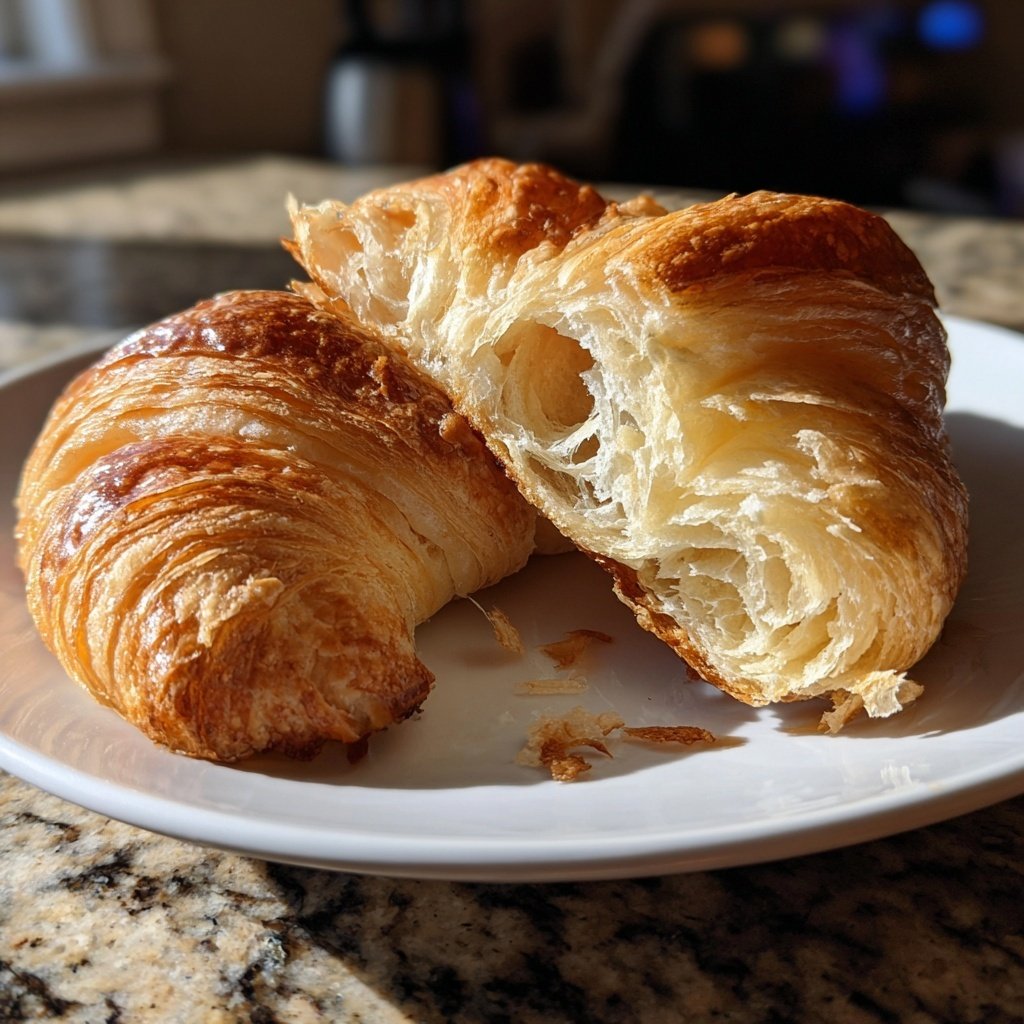
I have always been captivated by the light, airy texture of a freshly baked croissant. When I first attempted to make flaky butter croissants at home, I was both excited and nervous about getting the dough just right. After several trials, I discovered the secret lies in the quality of the butter and the meticulous folding technique that creates those delicious, buttery layers. These croissants are not just baked goods; they're a staple that transforms any breakfast into a luxurious experience.
Making flaky butter croissants is an adventure that requires patience and precision. I remember the first time I made them, I had a few batches that turned out less than perfect. But each mistake taught me something new, whether it was the importance of letting the dough rest or how to better incorporate the butter.
One of my favorite tips is to keep everything cold, including your hands and the work surface. This prevents the butter from melting into the dough too quickly, ensuring that the layers form beautifully. The crispy exterior and soft, flaky interior are worth every minute of effort!
Why You'll Love These Croissants
- The irresistible aroma of freshly baked croissants fills your kitchen.
- Every bite reveals delicate layers of buttery goodness.
- Perfect for pairing with coffee or as a luxurious breakfast treat.
Mastering the Dough
The success of your flaky butter croissants lies in the dough itself. Using high-quality all-purpose flour will give you the right strength and elasticity. Moreover, pay attention to the temperature of your ingredients; warm milk activates the yeast effectively, creating a robust rise during the first fermentation. When kneading the dough, aim for a smooth, slightly tacky texture, which will ensure it holds together well during the rolling process.
Allowing the dough to rise for about an hour is crucial. Look for it to double in size and become puffy — this is an essential sign that the yeast has properly activated. If you’re in a colder environment, consider placing the dough in a slightly warmed oven (turned off) or near a warm window to encourage a thorough rise.
Butter Folding Techniques
The key to achieving those marvelous flaky layers is the lamination process, where cold butter is folded into the dough. Make sure your butter is chilled but still pliable when you roll it out; if it becomes too soft, it will blend with the dough rather than create distinct layers. This step can be tricky — if you find the dough is tearing or the butter is breaking through, allow both to chill briefly before continuing.
After each folding, the dough must be well-wrapped and refrigerated. This resting period not only relaxes the gluten — making the dough easier to roll out — but also keeps the butter cold. Aim to repeat the folding process three times, monitoring the texture as you go. You should see visible layers developing when you cut into the dough, which leads to the signature airy texture of your croissants.
Ingredients
For the Dough
- 4 cups all-purpose flour
- 1/4 cup granulated sugar
- 1 tablespoon salt
- 1 tablespoon active dry yeast
- 1 1/4 cups whole milk, warm
- 1 cup unsalted butter, cold
For Egg Wash
- 1 egg
- 1 tablespoon water
Ensure all ingredients are at the appropriate temperatures for the best results.
Instructions
Prepare the Dough
In a bowl, combine warm milk and yeast. Let it sit for 5 minutes until frothy. In a large mixing bowl, whisk together flour, sugar, and salt. Add the milk mixture and mix until it forms a dough. Knead for about 5 minutes until smooth. Cover and let rise in a warm place for 1 hour.
Incorporate the Butter
Roll the chilled butter between two sheets of parchment paper into a rectangle. Once the dough has risen, roll it out into a larger rectangle and place the butter in the center. Fold the dough over the butter and seal the edges.
Laminate the Dough
Roll the dough out again and fold it into thirds (like a letter). Wrap in plastic wrap and refrigerate for 30 minutes. Repeat this rolling and folding process two more times.
Shape the Croissants
Roll the dough out into a large rectangle and cut it into triangles. Starting at the wide end, roll each triangle tightly into a crescent shape and place on a baking sheet.
Final Rise and Bake
Let the croissants rise for about 1 hour until puffy. Preheat the oven to 400°F (200°C). Mix the egg with water for the egg wash and brush the croissants. Bake for 20-25 minutes until golden brown.
Allow the croissants to cool slightly before serving to enhance their flaky texture.
Professionele Tips
- Using high-quality butter and keeping everything cold will achieve the best flaky layers. Make sure to allow the croissants ample time to rise for the perfect texture.
Ingredient Substitutions
If you prefer a dairy-free version of these croissants, substitute unsalted butter with a high-quality plant-based butter. Though the texture may slightly differ, the layering effect can still be achieved. Additionally, using almond or oat milk in place of whole milk can introduce a unique flavor profile, but be mindful that non-dairy milks may not activate the yeast quite as effectively, impacting the rise.
For those with dietary restrictions, consider trying gluten-free flour blends specifically formulated for pastries. While this does require some experimentation, adding a binding agent like xanthan gum can help mimic the elasticity of gluten, allowing you to still achieve the desired flaky layers.
Storage & Reheating Tips
If you find yourself with extra croissants, they can be frozen for future enjoyment. Allow them to cool completely, then freeze them in a single layer on a baking sheet before transferring to an airtight container or freezer bag. This method prevents them from sticking together. When ready to eat, simply reheat from frozen in a preheated oven at 350°F (175°C) for about 10-12 minutes until warmed through and crisp again.
For the best texture, avoid microwaving croissants, as this can make them chewy rather than flaky. Instead, reheat them in an oven or toaster oven, allowing the layers to regain their buttery goodness. This little extra effort ensures each bite retains that fresh-baked quality.
Vragen Over Recepten
→ Can I use store-bought dough?
Yes, you can use store-bought puff pastry, but the flavor and texture will differ from homemade croissants.
→ How do I store leftover croissants?
Place them in an airtight container at room temperature for up to 2 days, or freeze for longer storage.
→ What can I fill the croissants with?
You can fill them with chocolate, almond paste, or savory ingredients like cheese or ham.
→ Can I make them ahead of time?
Yes, you can prepare the dough a day in advance and refrigerate it, then shape and bake the next day.
Flaky Butter Croissants
Gemaakt door: Dahlia Kensington
Recepttype: Zoete Baksels
Vaardigheidsniveau: Intermediate
Eindportie: 12 croissants
Wat je Nodig Hebt
For the Dough
- 4 cups all-purpose flour
- 1/4 cup granulated sugar
- 1 tablespoon salt
- 1 tablespoon active dry yeast
- 1 1/4 cups whole milk, warm
- 1 cup unsalted butter, cold
For Egg Wash
- 1 egg
- 1 tablespoon water
Stappen
In a bowl, combine warm milk and yeast. Let it sit for 5 minutes until frothy. In a large mixing bowl, whisk together flour, sugar, and salt. Add the milk mixture and mix until it forms a dough. Knead for about 5 minutes until smooth. Cover and let rise in a warm place for 1 hour.
Roll the chilled butter between two sheets of parchment paper into a rectangle. Once the dough has risen, roll it out into a larger rectangle and place the butter in the center. Fold the dough over the butter and seal the edges.
Roll the dough out again and fold it into thirds (like a letter). Wrap in plastic wrap and refrigerate for 30 minutes. Repeat this rolling and folding process two more times.
Roll the dough out into a large rectangle and cut it into triangles. Starting at the wide end, roll each triangle tightly into a crescent shape and place on a baking sheet.
Let the croissants rise for about 1 hour until puffy. Preheat the oven to 400°F (200°C). Mix the egg with water for the egg wash and brush the croissants. Bake for 20-25 minutes until golden brown.
Extra Tips
- Using high-quality butter and keeping everything cold will achieve the best flaky layers. Make sure to allow the croissants ample time to rise for the perfect texture.
Voedingswaarde (Per Portie)
- Calories: 250 kcal
- Total Fat: 15g
- Saturated Fat: 10g
- Cholesterol: 45mg
- Sodium: 125mg
- Total Carbohydrates: 27g
- Dietary Fiber: 1g
- Sugars: 2g
- Protein: 4g